IDWD — 24.06Menu

About the Day

Three women.
One resolution.
A day that names the work.

The International Day of Women in Diplomacy was established by the United Nations General Assembly on 20 June 2022, under Resolution A/RES/76/269. It is observed every 24 June. This page traces the people, the document, and the gap that the day was created to close.

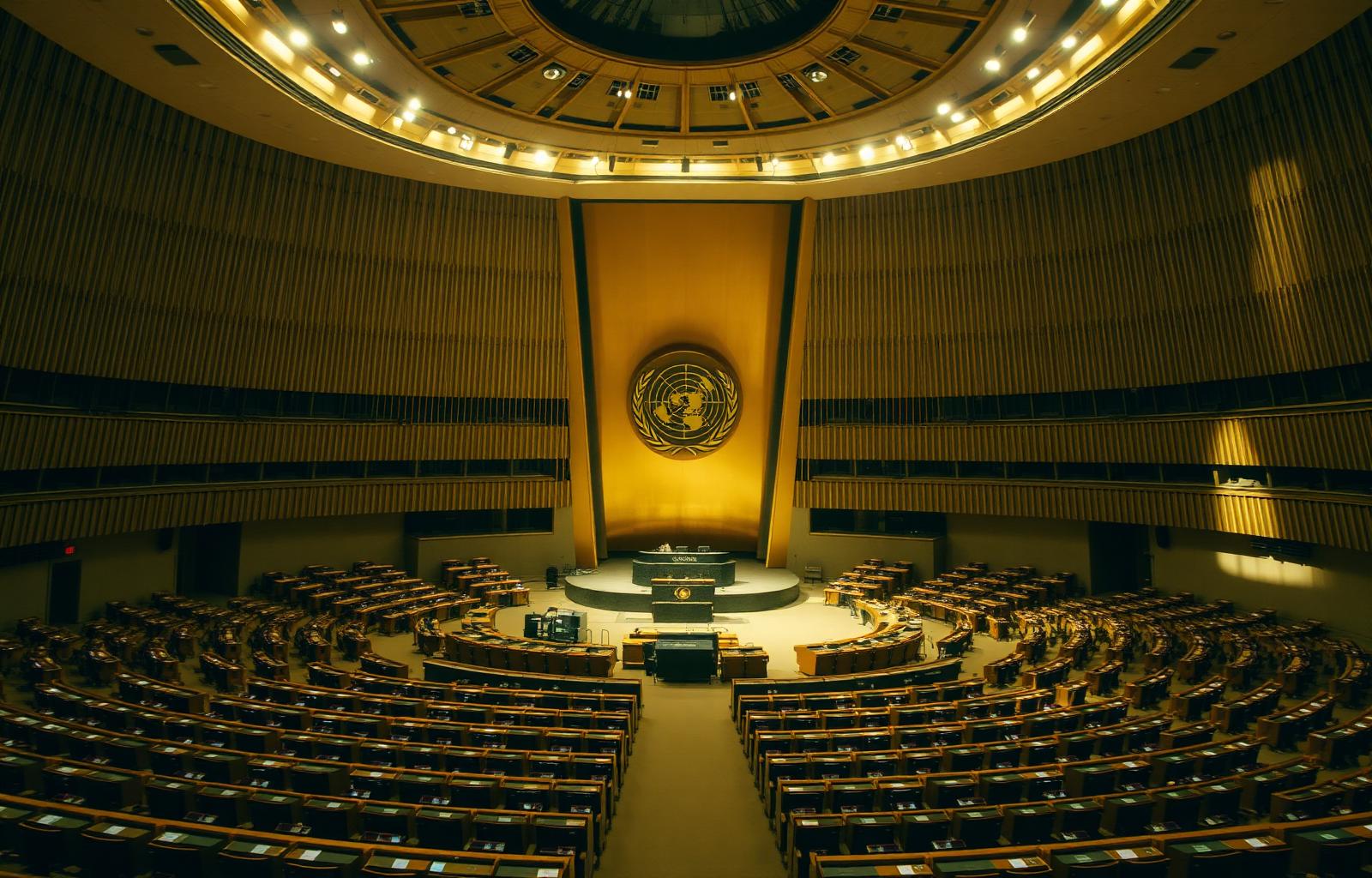
The United Nations General Assembly hall
UN General Assembly Hall · New York

Resolution A/RES/76/269

Adopted 20 June 2022

"Recognizing the essential role of women diplomats in promoting human rights, peace and sustainable development."

The resolution was tabled by the Maldives and co-sponsored by over 190 member states. It was the first UN instrument to formally acknowledge that women remain systemically underrepresented in foreign service — and to commit the General Assembly to changing that figure.

The text calls on member states, the UN, and regional organizations to mark the day annually with activities that promote the full, equal and meaningful participation of women in diplomacy at every level of seniority.

The architects
of the day.

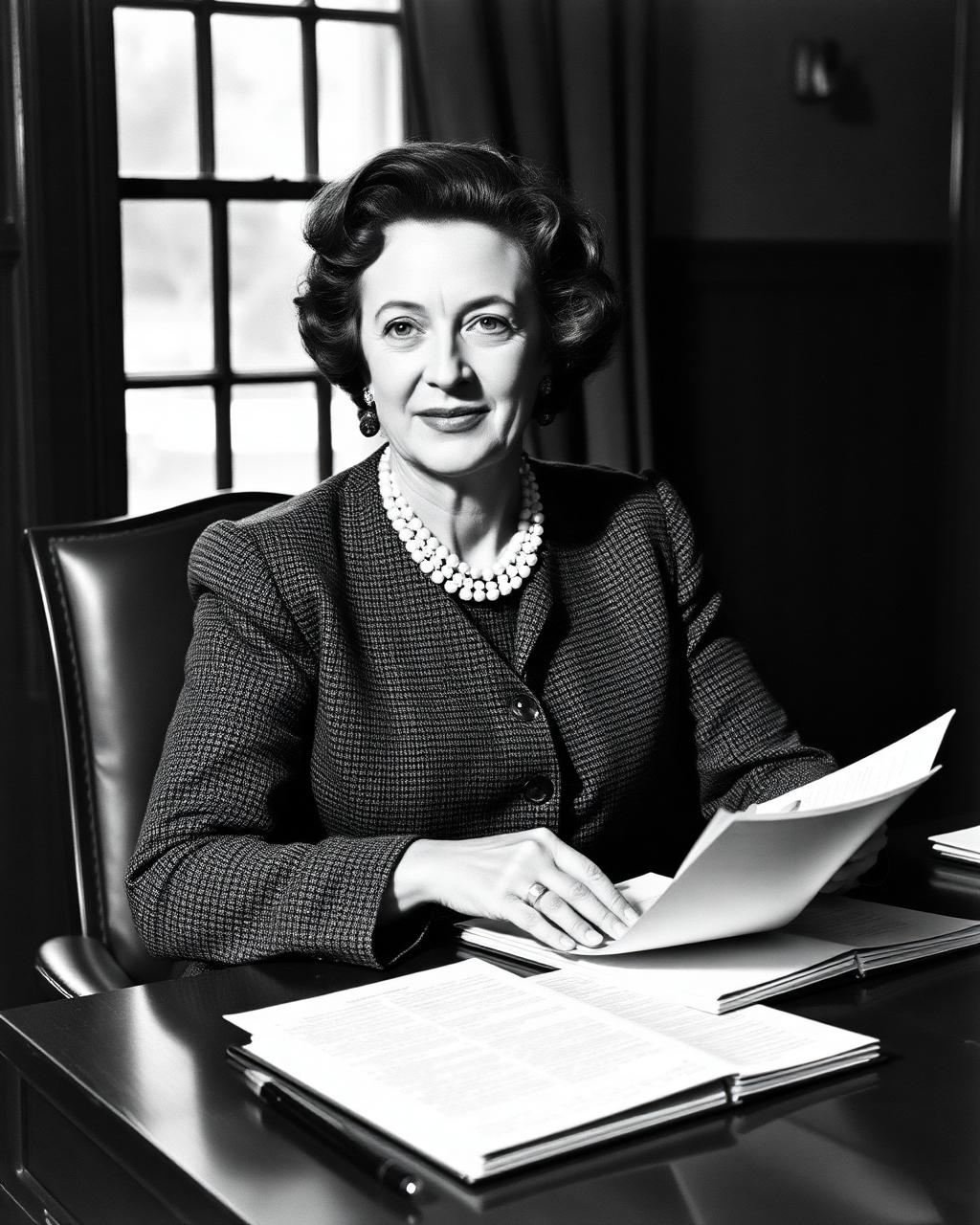
Eleanor Roosevelt

01 · First Chair, UN Commission on Human Rights

Eleanor Roosevelt

1884 — 1962

Chair of the committee that drafted the Universal Declaration of Human Rights in 1948. Roosevelt insisted that the document apply equally to women — a position contested at the time, and foundational to every diplomatic instrument that followed.
Madeleine Albright

02 · First female U.S. Secretary of State

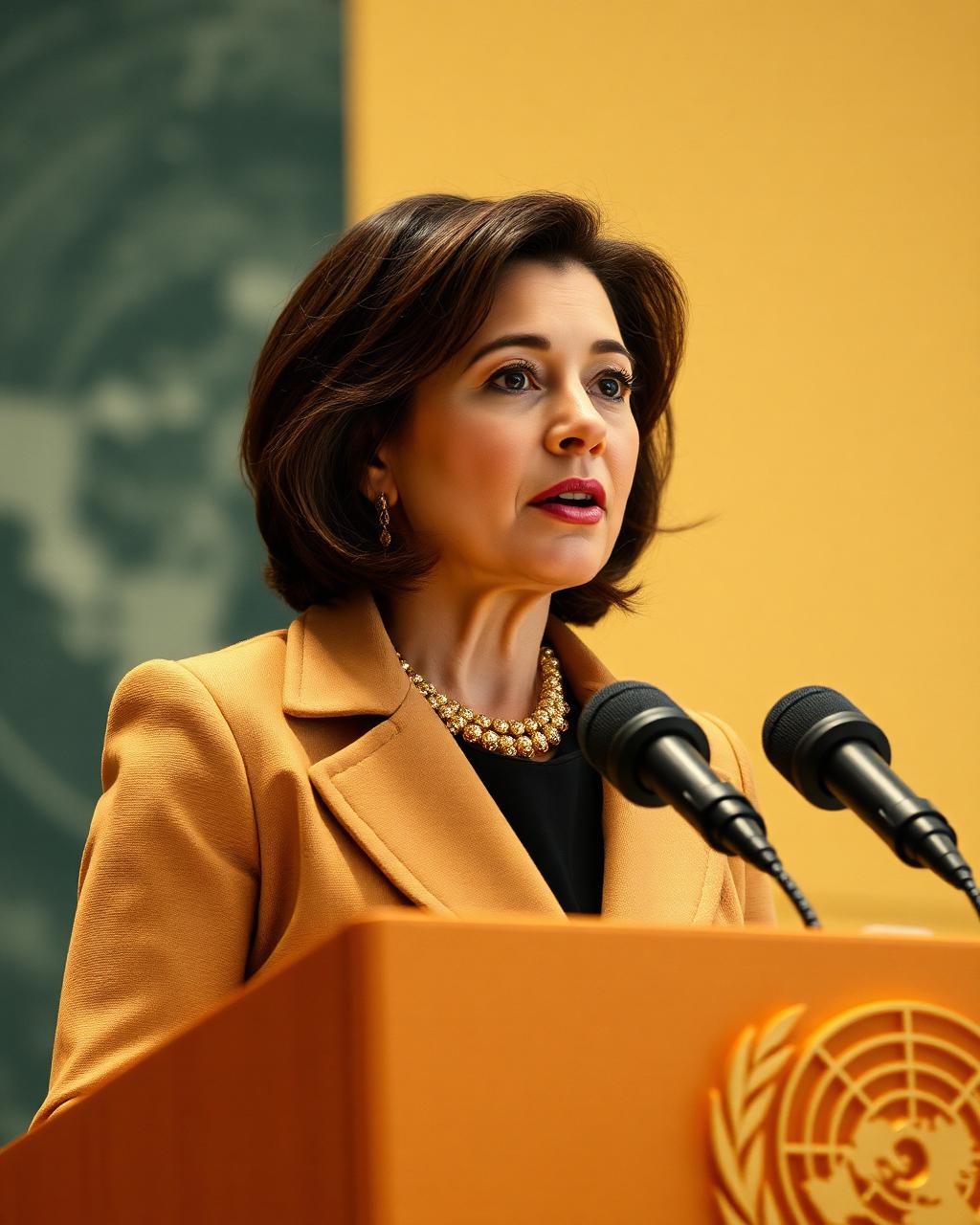
Madeleine Albright

1937 — 2022

Refugee, scholar, and diplomat. Albright reshaped U.S. foreign policy after the Cold War and made the inclusion of women in peace processes a stated diplomatic priority. "There is a special place in hell for women who don't help other women."

Thilmeeza Hussain

03 · Permanent Representative of the Maldives to the UN

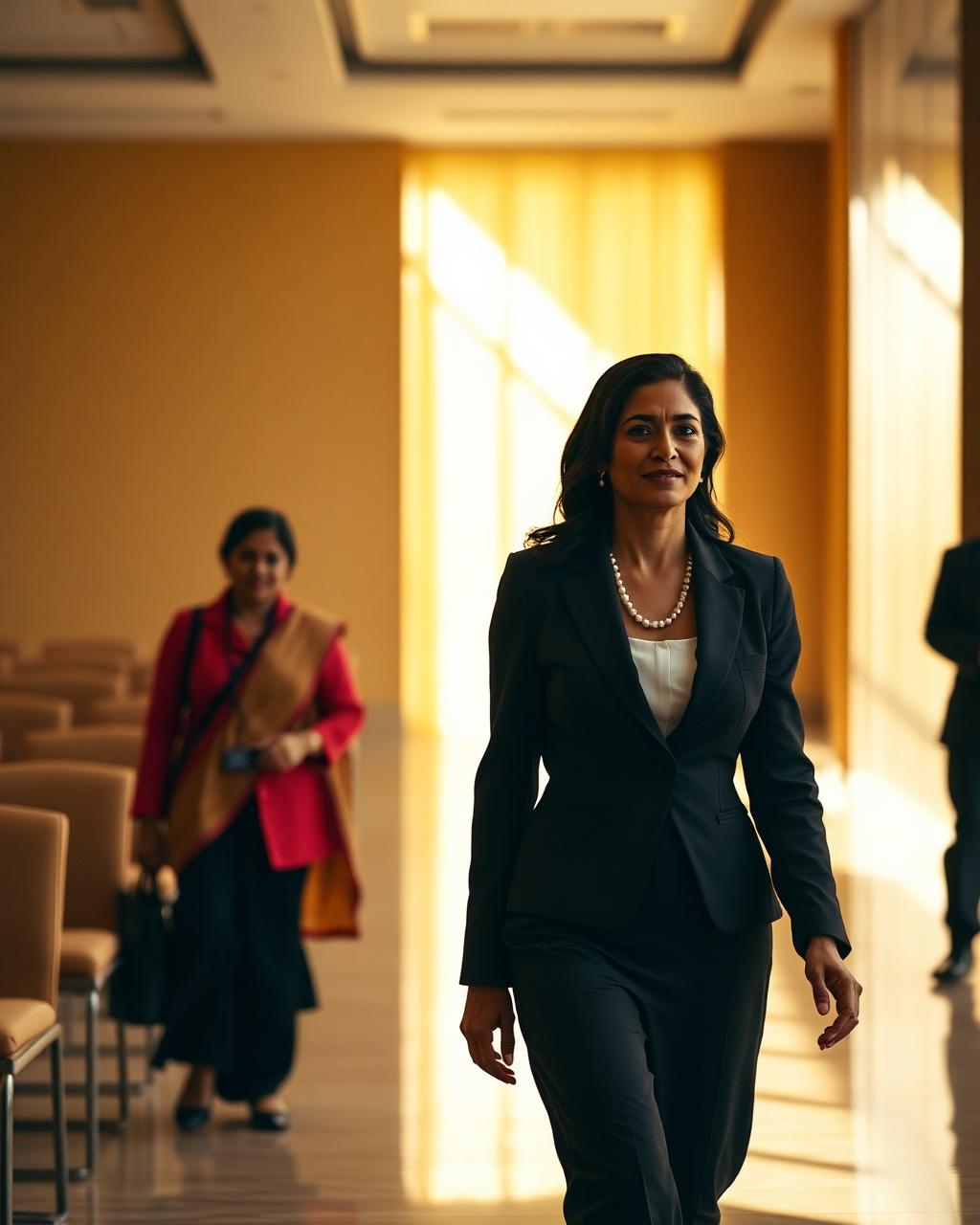
Thilmeeza Hussain

b. 1973

Lead author of UN General Assembly Resolution A/RES/76/269, which formally established June 24 as the International Day of Women in Diplomacy. Her advocacy connected small-island nations to the global conversation on gender parity in foreign service.